By Sonja Huter, San Diego Real Estate Expert
Selling a home in San Diego is both an exciting opportunity and a major financial decision. With our competitive coastal market, discerning buyers, and wide range of property styles—from historic bungalows in North Park to oceanfront estates in La Jolla—preparation matters. One of the smartest steps I recommend to sellers is getting a home inspection before listing.
A pre-listing home inspection gives you clarity, control, and confidence. Instead of reacting to surprises midway through escrow, you can proactively address issues, price strategically, and present your home in its best possible light.
Below, I’ll walk you through everything you need to know about getting your home inspected before selling, and why it can make a measurable difference in your final outcome.
What Is a Pre-Listing Home Inspection?
A pre-listing home inspection is a professional evaluation of your property completed before it goes on the market. Much like a buyer’s inspection, it covers the major systems and structural components of the home, including the roof, foundation, electrical, plumbing, HVAC, and visible signs of damage or deferred maintenance.
In San Diego, inspections are especially important due to our coastal climate, older housing stock in neighborhoods like Mission Hills and University Heights, and the prevalence of hillside homes and slab foundations. Salt air corrosion, aging sewer lines, and roof wear from sun exposure are all common issues that can surface during escrow if not addressed in advance.
Why Getting a Home Inspection Before Selling Makes Sense
Many sellers assume inspections are strictly a buyer’s responsibility. While buyers will still conduct their own due diligence, a pre-listing inspection gives you the advantage.
First, it eliminates the element of surprise. Discovering a major issue after you’ve accepted an offer can derail negotiations or cause a buyer to walk away entirely. When you know the condition of your home upfront, you’re in a stronger position to plan repairs or disclose findings transparently.
Second, it allows for strategic pricing. If your inspection reveals that your home is in excellent condition, we can confidently price it to reflect that quality. If repairs are needed, we can either address them or factor them into pricing in a way that aligns with buyer expectations.
Finally, it builds trust. In luxury and high-demand San Diego markets, informed buyers appreciate transparency. Providing a pre-listing inspection report often reassures buyers that the home has been well cared for, which can lead to stronger offers and smoother escrows.
What a San Diego Home Inspection Typically Covers
While each inspector may vary slightly, most comprehensive home inspections include:
- Roof condition and drainage
- Foundation and structural integrity
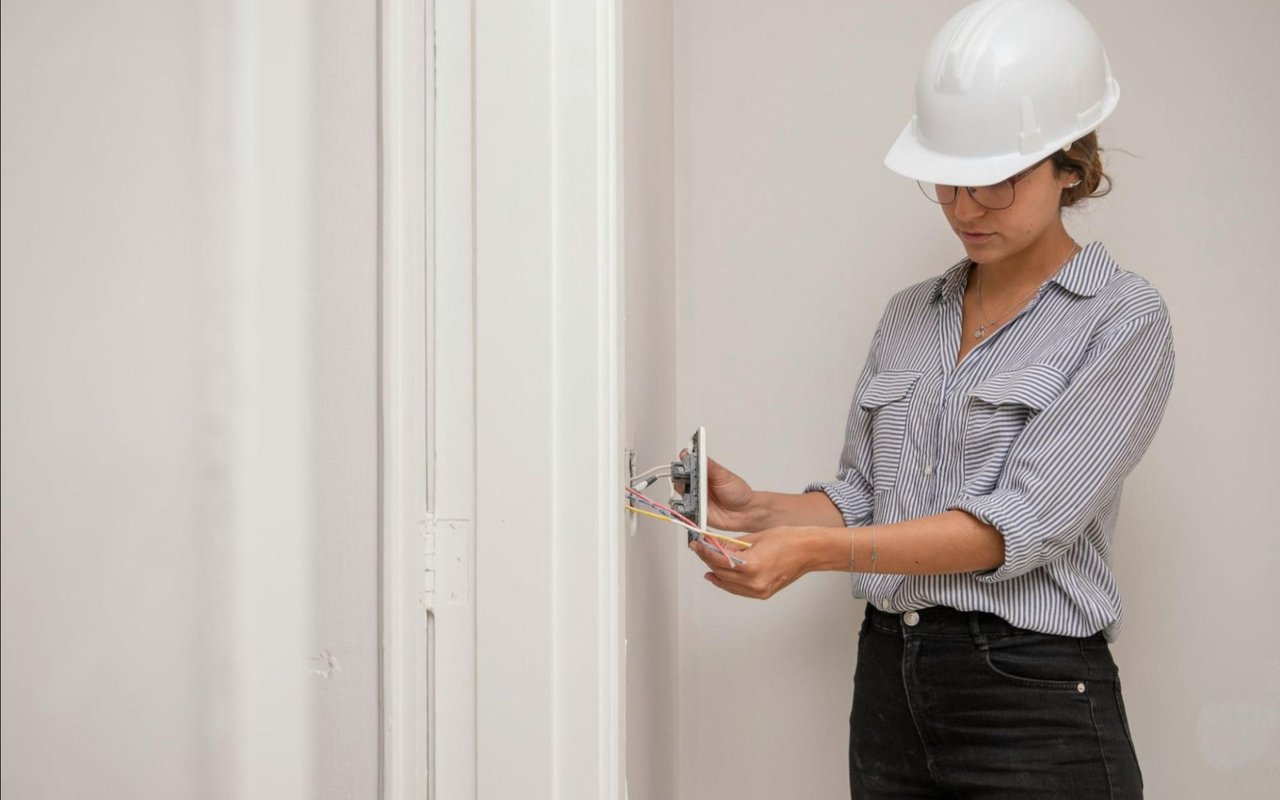
- Electrical panels, wiring, and outlets
- Plumbing supply and sewer lines
- HVAC systems
- Attic insulation and ventilation
- Windows, doors, and exterior elements
- Signs of water intrusion or mold
For coastal properties in areas like Del Mar or Point Loma, inspectors may pay extra attention to corrosion, deck integrity, and moisture-related concerns. Older homes in neighborhoods such as Kensington or South Park may require closer evaluation of electrical systems or galvanized plumbing.
Should You Make Repairs Before Listing?
One of the most common questions I hear is whether sellers should fix everything before putting their home on the market. The answer depends on the scope and nature of the findings.
Major issues that affect safety, financing, or insurability—such as roof damage, electrical hazards, or plumbing leaks—are often worth addressing upfront. These items can limit your buyer pool or lead to significant concessions later.
Major issues that affect safety, financing, or insurability—such as roof damage, electrical hazards, or plumbing leaks—are often worth addressing upfront. These items can limit your buyer pool or lead to significant concessions later.
Cosmetic or minor issues, on the other hand, may not require immediate repair. In some cases, disclosing the issue and adjusting pricing or offering a credit is the more strategic move. My role is to help you evaluate which repairs will deliver a return on investment and which are better handled through negotiation.
How a Pre-Listing Inspection Impacts Disclosures
California has strict disclosure requirements, and honesty is not optional. A pre-listing inspection helps ensure your disclosures are accurate and thorough, reducing the risk of future disputes.
When sellers are transparent about known conditions, buyers are less likely to renegotiate aggressively or feel misled during escrow. In my experience, clear disclosures supported by an inspection report often lead to cleaner contracts and fewer last-minute surprises.
When sellers are transparent about known conditions, buyers are less likely to renegotiate aggressively or feel misled during escrow. In my experience, clear disclosures supported by an inspection report often lead to cleaner contracts and fewer last-minute surprises.
Timing Your Inspection for Best Results
Ideally, your home inspection should be completed after initial prep work—such as cleaning, minor repairs, and staging consultations—but before professional photography and listing launch. This timing allows us to incorporate findings into your pricing and marketing strategy seamlessly.
In fast-moving San Diego submarkets like Carmel Valley or Pacific Beach, where multiple offers are common, having an inspection completed early can also speed up the escrow timeline and make your listing more attractive to serious buyers.
In fast-moving San Diego submarkets like Carmel Valley or Pacific Beach, where multiple offers are common, having an inspection completed early can also speed up the escrow timeline and make your listing more attractive to serious buyers.
Working With the Right Inspector
Not all inspectors are created equal. I work with trusted, licensed home inspectors who are familiar with San Diego construction styles, local building practices, and regional challenges. Choosing an inspector with local expertise ensures a more accurate and relevant evaluation of your home.
FAQ: Getting Your Home Inspected Before Selling
Is a pre-listing inspection required in San Diego?
No, it’s not required, but it is highly recommended for sellers who want to minimize risk and maximize control over the transaction.
Will buyers still do their own inspection?
Yes. A pre-listing inspection does not replace a buyer’s inspection, but it often reduces the likelihood of major surprises and renegotiations.
Can a pre-listing inspection increase my home’s value?
While it doesn’t directly increase value, it can support stronger pricing, reduce concessions, and improve buyer confidence, all of which protect your bottom line.
What if the inspection uncovers major problems?
Finding issues early is better than discovering them mid-escrow. We can address repairs, adjust pricing, or create a disclosure strategy that keeps your sale on track.
Should I share the inspection report with buyers?
In many cases, yes. Sharing the report demonstrates transparency and can streamline negotiations. I’ll advise you on the best approach based on your specific situation.
Final Thoughts: Knowledge Is Leverage
Getting your home inspected before selling isn’t about finding flaws—it’s about gaining leverage. In a sophisticated market like San Diego, preparation and transparency set successful sellers apart. A pre-listing inspection allows you to take control of the narrative, protect your timeline, and move forward with confidence.
If you’re considering selling your home and want expert guidance on whether a pre-listing inspection makes sense for your property, I’m here to help. Visit https://sonjahuter.com/ to schedule a private consultation with me, and take the first step toward a confident, well-informed sale in San Diego.