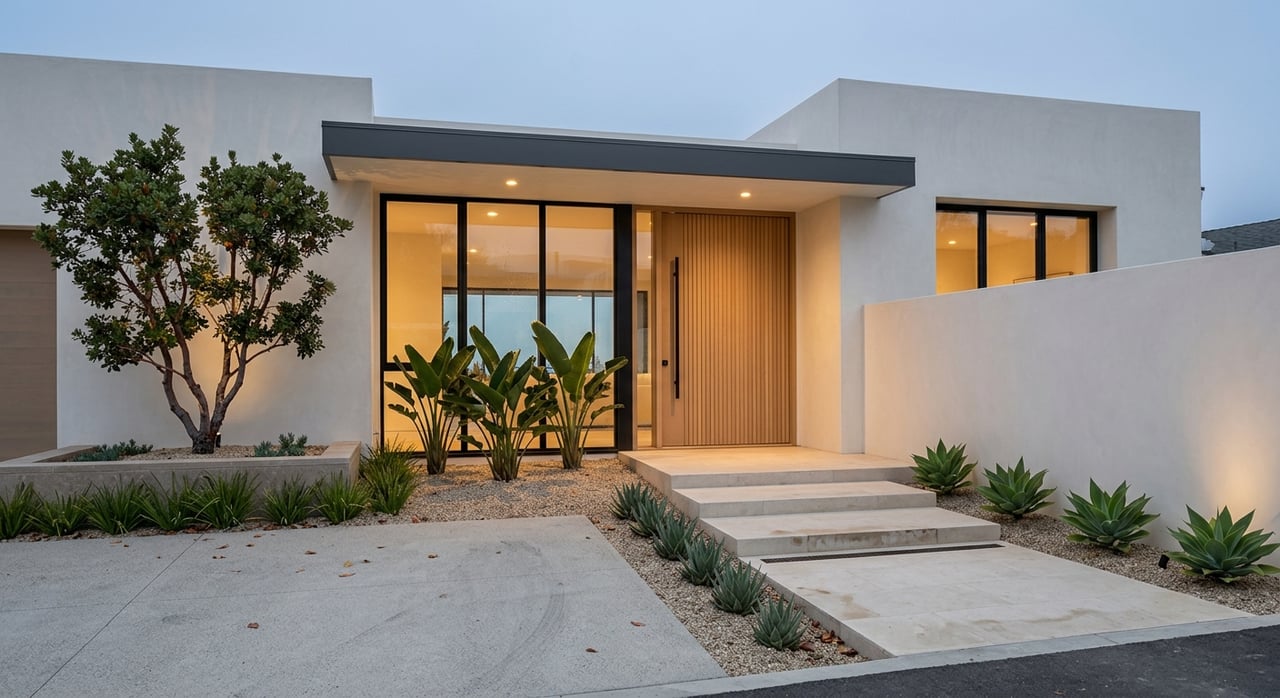
Choosing where to spend time in La Jolla can feel surprisingly nuanced. Even within one coastal community, the experience can shift from polished and walkable to beach-first and relaxed to surf-oriented and local. If you are exploring La Jolla as a buyer, seller, or relocator, understanding these differences can help you focus your search and picture daily life more clearly. Let’s dive in.
Why La Jolla Feels So Layered
La Jolla sits about 12 miles north of Downtown San Diego and covers roughly 5,700 acres. According to the City of San Diego, it is about 99% built out and is centered around the Village, La Jolla Shores, and Bird Rock commercial districts. That matters because the character of each enclave comes less from new development and more from long-established streets, architecture, and coastal access.
In practical terms, La Jolla works best as a collection of overlapping micro-areas rather than a set of rigidly separate neighborhoods. Planning materials define the Village and provide a separate framework for La Jolla Shores, while Bird Rock is recognized as a compact district along La Jolla Boulevard. For you, that means lifestyle differences are often felt block by block.
The Village: Walkable and Refined
The Village is La Jolla’s historic core and the enclave most associated with a polished coastal setting. The City of San Diego defines it within Prospect Street, Girard Avenue, and Torrey Pines Road. It is also the area most closely tied to La Jolla Cove, destination dining, boutique shopping, and gallery-lined streets.
If you want a place that feels like a true coastal town center, the Village often stands out first. The area is described by local tourism sources as being surrounded on three sides by the sea, with a strong concentration of shops, restaurants, galleries, and activities. That mix gives it an energy that feels more urban and browsable than other parts of La Jolla.
What defines Village living
The Village is especially appealing if walkability is high on your list. Prospect Street overlooks the Pacific and is known for specialty shops, boutiques, antique stores, and art galleries. Nearby Girard Avenue adds more design-oriented and high-end retail, creating a distinctly polished experience.
Dining and hospitality also help shape the Village identity. Local tourism sources highlight landmark destinations like La Valencia Hotel and George’s at the Cove, along with nearby dining options such as Puesto. Together, these elements make the Village feel complete, social, and well suited to people who enjoy stepping out on foot.
Village architecture and atmosphere
The Village also has the strongest historic architecture story among La Jolla’s coastal enclaves. The La Jolla Historical Society points to early beach cottages, European architectural styles from the 1920s, and modern buildings within the area. Older housing stock includes bungalow and beach cottage forms, Spanish Revival influences, and mid-century modern design.
That architectural mix adds texture to the streetscape. Even when homes and buildings differ in age or style, the area still feels established and cohesive. For buyers and sellers, that often translates into a setting where location, charm, and walkability all carry weight.
La Jolla Shores: Beach-First and Relaxed
If the Village feels like La Jolla’s social center, La Jolla Shores feels like its most beach-centered enclave. The City of San Diego describes the beach here as about one mile long, with summer waves that are usually among the gentlest in San Diego. It also notes that many novice scuba classes are held there and that the beach has a permanent lifeguard station.
For many people, that immediately sets a different tone. The Shores is less about browsing and more about being outside. Sand, water access, open space, and casual convenience shape the daily rhythm here.
Why the Shores feels recreational
Kellogg Park is a major part of what makes La Jolla Shores distinct. The city describes it as a large grassy park with a playground, restrooms, showers, and the only beachfront boat launch within San Diego city limits. That combination supports a setting centered on recreation and ease of use.
The beach is also adjacent to the La Jolla Underwater Park Ecological Reserve. Along with the gentle summer surf and scuba activity, that helps explain why the Shores often feels active but not hurried. It is a place where outdoor time tends to lead the experience.
Shores design and home character
La Jolla Shores also has a notably cohesive built environment. The La Jolla Shores Design Manual describes the area as primarily single-family, with homes that often feature extensive glass, shake or shingle roofs, low rambling forms, patios, courtyards, and decks. It also points to Spanish and Mediterranean influences and a planning emphasis on preserving residential character, sea views, and small-scale commercial areas.
That framework helps the Shores maintain a lower-profile feel. Rather than reading as a dense retail strip, it comes across as a beach neighborhood first. For you, that may mean a stronger sense of calm and a more residential pace, even with dining and daily conveniences nearby.
Everyday life in the Shores
The Shores still offers convenient places to gather and recharge. Tourism materials describe an environment where you can walk or bike to coffee shops, markets, and local restaurants. They also highlight nearby businesses such as La Jolla Shores Hotel, Everyday California, and The Marine Room.
That balance is part of the appeal. You still have activity and convenience, but the atmosphere remains more casual than the Village. If your ideal day starts with the beach and ends with an easy local dinner, the Shores may feel like a natural fit.
Bird Rock: Local and Surf-Oriented
Bird Rock is often the enclave people gravitate toward when they want a more local, compact, and casual setting. The San Diego Tourism Authority describes it as a micro-neighborhood with an easily walkable four-block stretch of La Jolla Boulevard. The City of San Diego also notes that it is a seaside neighborhood within La Jolla and that it was subdivided in 1906.
Compared with the Village, Bird Rock feels more neighborhood-scaled. Compared with the Shores, it feels more street-based and surf-forward. Its identity is tied closely to independent businesses, bluff-top views, and a lived-in daily rhythm.
Bird Rock’s commercial core
The retail and dining mix in Bird Rock is one of its clearest differentiators. Tourism sources point to a merchant district shaped by craft coffee, pastry shops, surfing, restaurants, and wine bars. Named local draws include Bird Rock Coffee Roasters, Bird Rock Surf Shop, Wayfarer Bread & Pastry, and Wheat & Water.
That gives Bird Rock a strong sense of place. Instead of broad destination retail, you find a more focused mix of everyday favorites and independent storefronts. For buyers exploring La Jolla, that often makes Bird Rock feel approachable, stylish, and distinctly local.
Views, surf, and street life
Bird Rock’s scenery is closely tied to surf culture and bluff-top outlooks. Tourism materials highlight the surf break, Calumet Park, and nearby lookout points. The City of San Diego describes Calumet Park as a small park in a residential Bird Rock neighborhood overlooking Rock Pile.
The district also reflects ongoing community attention to streetscape and traffic calming along La Jolla Boulevard. That detail reinforces something many visitors feel right away: Bird Rock is not just a place to visit. It feels like a place where daily life happens at a comfortable neighborhood scale.
A Quick Look at Windansea
Windansea is not usually framed as one of the three main commercial enclaves, but it is a helpful coastal reference point. The City of San Diego describes it as a rocky shore with underwater reefs that create surf breaks, while tourism materials note its hard-breaking surf and tide-pool access.
In lifestyle terms, Windansea sits farther toward the surf-centric end of La Jolla’s spectrum. It is less about shops and dining and more about the visual drama of the coastline and the recreational identity of the beach. If you are trying to understand how varied La Jolla can feel, Windansea helps complete the picture.
Comparing La Jolla’s Enclaves
Here is a simple way to think about the differences:
| Enclave | Best Known For | Overall Feel |
|---|---|---|
| The Village | Walkability, boutiques, galleries, dining, historic character | Polished, social, refined |
| La Jolla Shores | Sandy beach, gentle summer waves, Kellogg Park, outdoor recreation | Casual, beach-first, relaxed |
| Bird Rock | Local businesses, surf culture, compact corridor, bluff views | Neighborhood-scaled, stylish, easygoing |
| Windansea | Surf breaks, rocky shoreline, tide pools | Scenic, surf-forward, less commercial |
How to Choose the Right Fit
If you are deciding which part of La Jolla suits you best, think about how you want your days to unfold. Do you picture walking to dinner, browsing shops, and enjoying a more polished coastal setting? The Village may be the strongest match.
If direct beach access and outdoor recreation come first, La Jolla Shores often makes the most sense. If you prefer a more local rhythm with surf culture, independent businesses, and a compact feel, Bird Rock may stand out. And if your connection to the coast is most about surf and scenery, Windansea offers a useful lens on that side of La Jolla living.
For buyers and sellers in La Jolla’s higher-end market, these distinctions matter. Even within one well-known coastal community, the lifestyle experience can change meaningfully from one enclave to the next. A clear understanding of those differences can help you evaluate property, positioning, and long-term fit with more confidence.
If you are considering a move in La Jolla or preparing to position a property for sale, working with an advisor who understands these micro-markets can make the process far more strategic and seamless. To discuss La Jolla’s coastal enclaves with a calm, detail-oriented local expert, connect with Sonja Huter.
FAQs
Which La Jolla enclave feels the most walkable and polished?
- The Village is generally the most walkable and polished, thanks to its concentration of boutiques, galleries, restaurants, and proximity to La Jolla Cove.
Which La Jolla enclave is best known for beach access and recreation?
- La Jolla Shores is the most beach-focused enclave, with a one-mile beach, gentle summer waves, Kellogg Park, scuba activity, and beachfront launch access.
Which La Jolla enclave feels the most local and casual?
- Bird Rock is widely seen as the most local and casual, with a compact La Jolla Boulevard corridor shaped by coffee shops, surf culture, and neighborhood-scale businesses.
Which part of La Jolla has the strongest historic architecture character?
- The Village has the strongest historic architecture story, with early beach cottages, 1920s European and Spanish influences, and mid-century modern elements.
Why do La Jolla’s enclaves feel so different from each other?
- La Jolla is largely built out, so the differences come more from long-established planning, architecture, street scale, and coastal access than from new large-scale development.