By Sonja Huter
Rancho Santa Fe’s Village centers on Paseo Delicias, where La Morada anchors the original civic plan, and The Inn at Rancho Santa Fe keeps the area’s early design language front and center. The Covenant’s protective standards shape everything from rooflines to courtyard walls, so a historic home search here starts with architecture and governance as much as it starts with streets.
Rancho Santa Fe Homes For Sale
When the goal is authentic character with luxury comfort, I focus the search around properties that match Rancho Santa Fe’s original planning story and today’s lifestyle expectations.
When the goal is authentic character with luxury comfort, I focus the search around properties that match Rancho Santa Fe’s original planning story and today’s lifestyle expectations.
Key Takeaways
- Village focus: Paseo Delicias corridors and La Morada proximity
- Covenant lens: Architectural standards and exterior change pathways
- Verification steps: Historical Society resources and documentation review
- Lifestyle fit: Lot use, guest potential, and privacy planning
Start With The Covenant and the Village Core
Rancho Santa Fe’s historic identity is most visible inside The Covenant, where Spanish Colonial Revival details and planned-village circulation patterns show up consistently.
Why This Shortlist Creates Faster Clarity
- Paseo Delicias spine: The main boulevard that frames the Village approach and sets the tone for nearby residences.
- La Morada landmark: The central civic focal point that reflects the original plan and supports a walk-to-the-core lifestyle.
- The Inn at Rancho Santa Fe: A long-standing Village landmark that signals the area’s architectural vocabulary and hospitality culture.
Recognize Lilian Rice Signatures and Rancho Santa Fe Style Markers
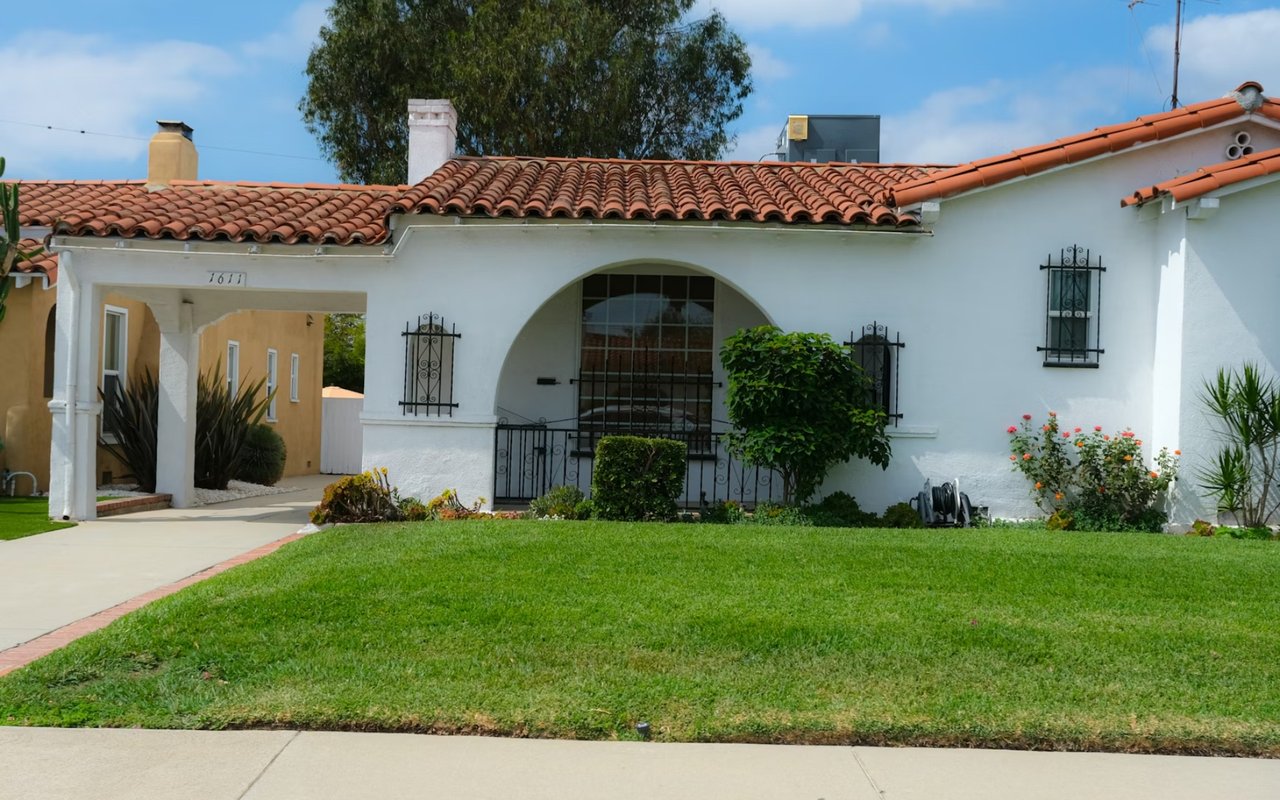
Much of Rancho Santa Fe’s enduring look traces to architect Lilian J. Rice, whose Spanish Revival interpretation shaped the Civic Center and influenced residential cues across the community.
Design Cues That Usually Signal Authentic Period Character
- Courtyard orientation: Outdoor rooms that connect entries, living areas, and garden walls in a cohesive sequence.
- Hand-finished details: Ironwork, carved wood, and plaster textures that read as craft-driven instead of mass-produced.
- Roof and massing: Low, sculpted rooflines and simple volumes that prioritize harmony with the site.
Use the Rancho Santa Fe Association and Art Jury Process Early
The Rancho Santa Fe Association administers the Protective Covenant, and its Art Jury review plays a central role in exterior modifications within The Covenant.
Key Process Touchpoints to Make Sure Are Understood
- Art Jury pathway: A review structure that evaluates exterior work for a consistent artistic result.
- Residential design guidelines: A reference used for materials, massing, and site planning in the Covenant area.
- County coordination: A separate permitting track that runs alongside Association review for certain scopes of work.
Verify Provenance Through the Rancho Santa Fe Historical Society
The Rancho Santa Fe Historical Society operates out of La Flecha House in the Village, and it provides context that helps confirm a home’s story and place within the community timeline.
Documents and Context Clues I Often Request
- Historic property references: Notes that connect a home to early development patterns and recognized local landmarks.
- Archived imagery leads: Photos and materials that help validate original massing, courtyards, or landscape intent.
- Neighborhood evolution context: Information that explains how certain lanes and enclaves developed over time.
FAQs
Which areas tend to have the strongest concentration of traditional Rancho Santa Fe architecture?
I start around the Village corridors near Paseo Delicias and the Civic Center area, shaped by the original plan. From there, I expand into Covenant lanes that share similar courtyard orientation, mature landscaping, and consistent material palettes.
How early should design review conversations start for a historic home?
I prefer to introduce the Art Jury and guideline conversation as soon as a short list forms, especially when exterior changes are part of the plan. Early clarity supports smoother scheduling for architects, landscape designers, and specialty contractors.
What is the best first step for researching a home’s historical context?
I like beginning with the Rancho Santa Fe Historical Society at La Flecha House to gather community context and documentation leads. That information pairs well with property disclosures and visual inspections that confirm how the home evolved.
Contact Sonja Huter Today
Rancho Santa Fe is unique because the Protective Covenant and Art Jury standards protect a community-wide design language, and that structure influences renovations, landscaping, and long-term value in a way few coastal North County areas can match.
Contact me, Sonja Huter, today, and I’ll align architectural style, parcel usability, and upgrade planning so the home’s history reads clearly while the lifestyle fits the way you want to live here.
Contact me, Sonja Huter, today, and I’ll align architectural style, parcel usability, and upgrade planning so the home’s history reads clearly while the lifestyle fits the way you want to live here.