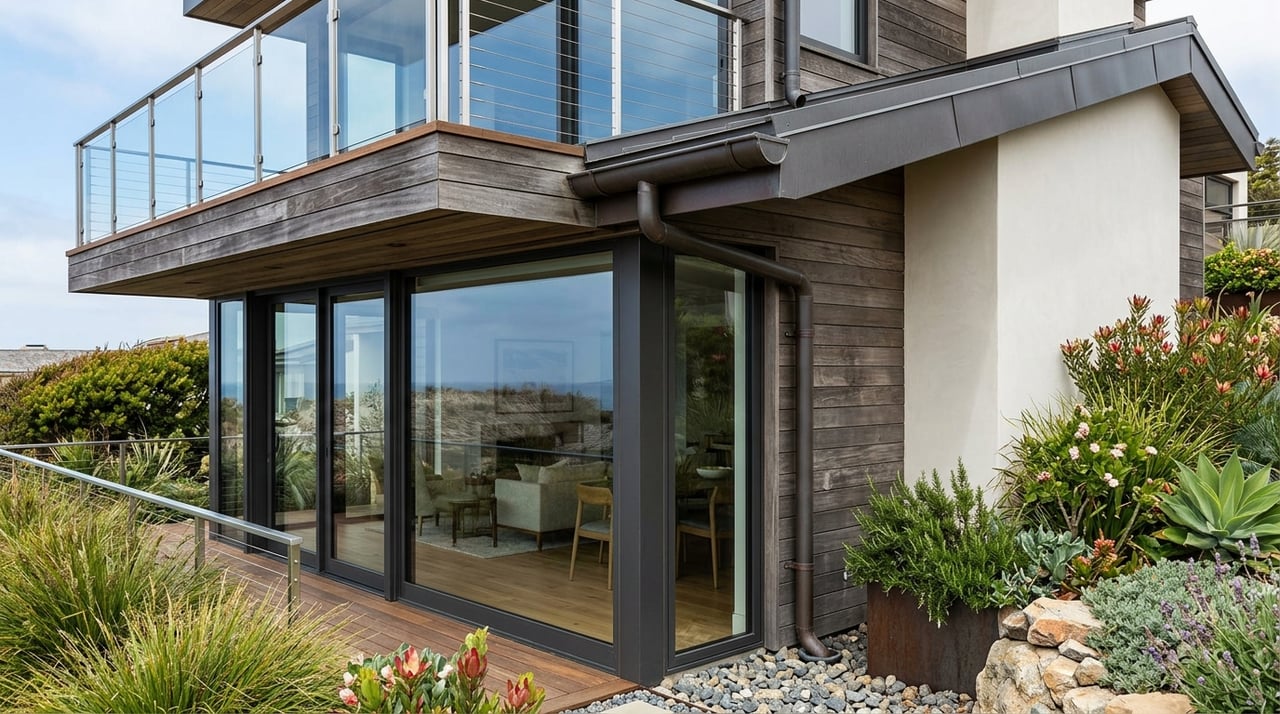
Buying near the beach in Del Mar can feel like finding the best of coastal California in one address. You may be drawn to the views, the access to the shoreline, and the rarity of homes in this part of the coast, but a beach-adjacent purchase here also comes with important practical layers. If you are considering a home near the sand, understanding the rules, risks, and long-term ownership factors can help you buy with greater clarity and confidence. Let’s dive in.
Why Del Mar beach purchases are different
In Del Mar, a coastal home is not just about location and design. It is also shaped by a strong regulatory framework that affects what can be built, how property can be improved, and how shoreline-related hazards are addressed over time.
The city implements the California Coastal Act through its certified Local Coastal Program. In most cases, Del Mar issues Coastal Development Permits after Local Coastal Program certification, while the California Coastal Commission still has authority over tidelands, submerged lands, public trust lands, and certain appeals. For you as a buyer, that means a property decision can also be a permitting and land-use decision.
Del Mar also adopted sea-level-rise Local Coastal Program amendments in 2018. The city identifies beach nourishment and management, river channel dredging, and flood management as adaptation priorities, and it states that planned retreat is not part of its current strategy. That larger planning context matters when you evaluate the long-term usability of a beach-area property.
Focus on lot conditions first
When buyers fall in love with a coastal home, it is easy to focus on the architecture or the view. In Del Mar, the lot itself often deserves just as much attention.
If a property is bluff-top or bluff-adjacent, setbacks and hazard rules can directly affect future plans. Del Mar requires a minimum 40-foot setback from the bluff edge for principal and accessory structures, and grading within that setback is prohibited. Construction on the bluff face is generally not allowed unless a Shoreline Protective Permit or Setback Seawall Permit is approved.
The city also requires new bluff-adjacent development to be sited and designed to avoid erosion hazards over a minimum 75-year economic life. In addition, real estate transactions within the Coastal Bluff Overlay Zone must disclose that status. If you are comparing two otherwise similar homes, this can become a major point of distinction.
Del Mar also uses the term vulnerable slope for a bluff exposed to projected sea-level-rise and erosion impacts that does not yet meet the definition of a coastal bluff. That can be useful if you are considering a parcel near a bluff edge, even if it is not directly classified as a bluff-top property.
Understand development limits before you buy
One of the biggest mistakes luxury buyers can make is assuming a premium lot will always offer future flexibility. In Del Mar, that assumption deserves careful testing.
The Beach Preservation Initiative is highly restrictive. Within the shoreline protection area, no development is allowed except protective structures and public development authorized under city rules. If a protective structure is approved, it must be shown to protect existing development or public beaches while minimizing impacts on sand supply, access, views, and erosion.
The city also treats views as a protected public resource. Design review is used to preserve views of community-wide importance, and the Local Coastal Program addresses visual resources and scenic access. If your purchase includes plans for additions, redesign, or redevelopment, it is wise to evaluate those goals early against current city rules.
Check floodplain and shoreline rules carefully
Beach proximity can come with flood-related considerations that are easy to overlook during an emotional home search. Parcel-level review matters.
Del Mar’s floodplain overlay limits shoreline protective devices to circumstances consistent with the Beach Overlay Zone or the California Coastal Act. The city also prohibits new basements or expansions of existing basements in AE or VE zones.
You should also verify flood exposure through the official FEMA Flood Map Service Center. FEMA identifies Special Flood Hazard Areas as areas subject to the base flood, and homes in those areas with federally regulated or insured mortgages generally must carry flood insurance. Even if financing is not your main concern, flood-zone status can influence insurance costs, future improvements, and long-term ownership planning.
Expect higher maintenance near the water
The purchase price is only part of the equation for a home near the beach. Ongoing care and capital planning are often more demanding than buyers expect.
Coastal salt spray and onshore winds can speed up corrosion. FEMA’s coastal construction guidance notes that metal fasteners and connectors corrode faster in coastal areas, especially near breaking waves. In practical terms, that means exterior hardware, structural connectors, and inspection cycles deserve extra attention.
Del Mar’s sea-level-rise work program also tracks beach width, bluff conditions, and flood conditions over time. That is a reminder that coastal ownership may involve recurring maintenance and repair decisions rather than a one-time investment after closing.
For many buyers, a smart approach includes:
- A detailed property inspection with attention to exterior wear and exposure
- A review of drainage and water management features
- An insurance review based on flood exposure and coastal conditions
- A maintenance budget that reflects the realities of near-ocean ownership
Drainage and landscaping matter more than you think
Some of the most important clues about a bluff-adjacent property are not dramatic. They are often found in the way water is handled on site.
Del Mar requires drainage for new bluff-top projects to be collected and carried away from the bluff. The city also requires drought-tolerant landscaping and prohibits irrigation systems within 40 feet of the bluff top because overwatering can contribute to slide hazards.
For a buyer, this highlights the value of looking beyond finishes and floor plans. Site drainage, irrigation layout, and landscape design can all play a role in how resilient a property is over time.
Look at long-term value, not just today’s view
Del Mar has strong scarcity and a well-documented coastal premium. A San Diego County study found that homes within 500 feet of the coast were estimated at about 101.9 percent higher than comparable homes located beyond six miles, and the premium declined as distance from the coast increased.
That same study found Del Mar among the locations with positive neighborhood effects. In simple terms, both beach adjacency and the Del Mar setting itself contribute to value.
Still, price is not driven by scenery alone. Research also notes that coastal property values are shaped by residents, renters, investors, policy choices, and adaptation measures such as beach nourishment. For you, that means the smartest purchase is often the one that balances view, access, scarcity, and long-term practicality.
Questions to ask before making an offer
Before you move forward on a Del Mar beach-area purchase, it helps to slow down and ask a few focused questions:
- Is the property in the Coastal Bluff Overlay Zone?
- What setbacks or development limits apply to the lot?
- Is the parcel in a flood zone, and how could that affect insurance?
- Are there signs of corrosion, drainage issues, or deferred exterior maintenance?
- If you plan to remodel or expand, what approvals may be required?
- Does the property offer long-term usability as well as immediate appeal?
These questions can help you compare properties more strategically, especially when multiple homes appear similar at first glance.
A more informed way to buy in Del Mar
Buying near the beach in Del Mar can be deeply rewarding, but it calls for a more careful lens than many luxury purchases inland. The right home is not only beautiful and well located. It should also align with the city’s coastal framework, your ownership goals, and the realities of maintenance, insurance, and long-term resilience.
When you approach the process with strong due diligence, you put yourself in a better position to protect both lifestyle and value. If you are exploring coastal homes, bluff-adjacent properties, or view residences in Del Mar, working with a local advisor who understands the details can make the process far more seamless. Connect with Sonja Huter for discreet, knowledgeable guidance tailored to Del Mar’s coastal market.
FAQs
What makes buying near the beach in Del Mar more complex?
- Beach-area purchases in Del Mar are shaped by the city’s Local Coastal Program, permitting rules, shoreline policies, flood considerations, and in some cases bluff-related setbacks and disclosure requirements.
What should buyers know about bluff-top homes in Del Mar?
- Del Mar requires a minimum 40-foot setback from the bluff edge for principal and accessory structures, prohibits grading within that setback, and applies added rules for erosion hazards and certain development near bluffs.
What is the Coastal Bluff Overlay Zone in Del Mar?
- It is an overlay area where coastal bluff-related rules apply, and real estate transactions within that zone must disclose the property’s status.
Do Del Mar beach homes require more maintenance?
- Yes. Coastal salt spray and onshore winds can accelerate corrosion, and beach-adjacent ownership often calls for closer attention to exterior materials, hardware, inspections, and long-term repair planning.
How do flood zones affect homes near the beach in Del Mar?
- Flood-zone status can affect insurance needs, financing requirements for some loans, and what improvements may be allowed, so buyers should verify parcel-level flood exposure before closing.
Why do Del Mar beach-area homes often hold strong value?
- Research points to a strong coastal premium tied to proximity to the coast, while Del Mar’s scarcity, views, access, and broader neighborhood appeal also support demand.