Selling a Rancho Santa Fe estate is rarely just about putting a sign in the yard and waiting for offers. In a market where privacy, presentation, and property details all carry weight, thoughtful preparation can shape both your timeline and your result. If you want to enter the market with confidence, it helps to know which updates matter, which documents to gather, and which local requirements deserve early attention. Let’s dive in.
Why Preparation Matters in Rancho Santa Fe
Rancho Santa Fe has a distinct real estate profile. The community is known for large lots, privacy, and architectural continuity, and the historic Covenant spans about 10 square miles, or 6,730 acres, with an average of more than two acres per lot.
That setting changes how you should prepare for a sale. Buyers are not only looking at the home itself. They are also evaluating grounds, approach, outdoor living, and whether the property appears well maintained, complete, and ready for a smooth transaction.
The current market also supports a strategic approach. As of May 31, 2026, Zillow reported the average Rancho Santa Fe home value at $4,383,809, while Realtor.com reported a median listing price of $5,549,500 and a balanced market with a median 66 days on market and homes selling at 97% of asking price in May 2026.
In other words, preparation still matters. In a balanced market, strong homes with clean presentation and organized documentation tend to stand out more clearly.
Start With Disclosure and Documentation
One of the smartest first steps is organizing your paperwork early. In California, sellers of one-to-four unit residential property must provide a Real Estate Transfer Disclosure Statement, and brokers must conduct a reasonably competent visual inspection of accessible areas and disclose material facts that affect value, desirability, or intended use.
That means your sale prep should include more than cosmetic work. A well-organized diligence folder can help reduce surprises, support disclosure accuracy, and keep the process moving once your property goes live.
What to gather before listing
Try to assemble key property records in one place, including:
- Permit history
- Prior inspection reports
- Repair invoices and service records
- Appliance and system warranties
- Roofing, pool, spa, or mechanical records
- Septic or well documents, if applicable
- Fire or vegetation compliance paperwork
- Any expert reports related to the property
California also requires written agency relationship disclosures. For you as a seller, that helps clarify who represents whom, along with duties, confidentiality, and communication expectations from the start.
Older homes may need lead disclosures
If your home was built before 1978, federal lead-based paint disclosure rules may apply. Sellers must disclose known information, provide any available reports, include the required lead warning statement, and give buyers an opportunity to conduct a lead inspection.
For estate properties with a long ownership history, this is another reason to start early. The more complete your records are, the easier it is to prepare accurate disclosures.
Check Rancho Santa Fe-Specific Compliance Early
Rancho Santa Fe sellers often need to think beyond standard home prep. Because Rancho Santa Fe is one of San Diego County’s unincorporated communities, county and fire-district rules can matter just as much as Association requirements.
This is especially important for exterior work, wildfire readiness, and private infrastructure. If any of these issues are left until the last minute, they can affect launch timing or create avoidable friction during escrow.
Review architectural and exterior approval issues
The Rancho Santa Fe Association states that the Covenant exists to preserve community character, and its Art Jury reviews development and building applications. Its guidelines emphasize subdued rural character, preservation of landforms, restrained architecture, and informal landscaping.
For sellers, that means any exterior changes, fencing, hardscape, or landscape edits that may need approval should be reviewed well before listing. Even small exterior projects can become more complicated if approval status is unclear.
Address wildfire and defensible-space requirements
Wildfire compliance should be on your checklist early. The Rancho Santa Fe Fire Protection District says its vegetation management program is year-round and requires property owners to maintain their properties to district standards, including defensible-space requirements and wildfire preparedness inspections.
The district also confirms that AB 38 inspections are available through Cal Fire for State Responsibility Area parcels and through the district for parcels within the district, using an online request process and a fee. San Diego Fire-Rescue notes that real estate defensible-space inspections typically take 10 to 14 business days from the request date to be conducted.
That timeline matters. If your property needs inspection, vegetation work, or follow-up mitigation, waiting too long can delay your launch.
Verify septic and well records if relevant
Some larger estate parcels may use private water or wastewater systems. San Diego County’s environmental health department regulates septic systems and sets permits and standards for well construction or modification.
If your property has a septic system or private well, it is wise to confirm records, permits, and maintenance status before your home hits the market. These systems are important transaction details, and buyers may have questions early.
Focus on the Updates Buyers Notice First
In Rancho Santa Fe, broad remodeling is not always the best pre-sale investment. Because the community places value on architectural continuity and rural character, the strongest returns often come from thoughtful, right-sized improvements rather than major renovation.
The goal is to make your estate feel well cared for, visually calm, and easy for a buyer to understand. That usually means fixing what feels unfinished, reducing distractions, and polishing the features that shape first impressions.
High-impact prep items
Before you consider large projects, focus on the basics that buyers and inspectors notice quickly:
- Decluttering throughout the home
- Deep cleaning all interior spaces
- Repairing visible deferred maintenance
- Refreshing paint where needed
- Improving lighting
- Enhancing curb appeal
- Bringing landscaping up to a healthy, maintained standard
- Addressing anything that feels overly personalized or incomplete
This approach aligns with the National Association of Realtors 2025 staging survey, which found that 91% of sellers’ agents recommend decluttering, 88% recommend cleaning the entire home, and 77% recommend improving curb appeal.
Stage the Spaces That Carry Emotion
Estate homes often have generous square footage, but size alone does not create connection. Buyers respond best when rooms feel proportional, intentional, and easy to imagine living in.
That is why strategic staging matters. Rather than trying to elevate every room equally, focus on the spaces where buyers tend to form their strongest emotional impression.
Prioritize key rooms
According to NAR’s 2025 report, buyers’ agents identified the living room as the most important room to stage, followed by the primary bedroom and kitchen. Sellers’ agents most often staged the living room, primary bedroom, dining room, and kitchen.
For your Rancho Santa Fe estate, that means these spaces should feel especially polished. Clean sight lines, edited furnishings, and a clear use for each room can help the home feel more refined and more memorable.
Do not overlook outdoor living
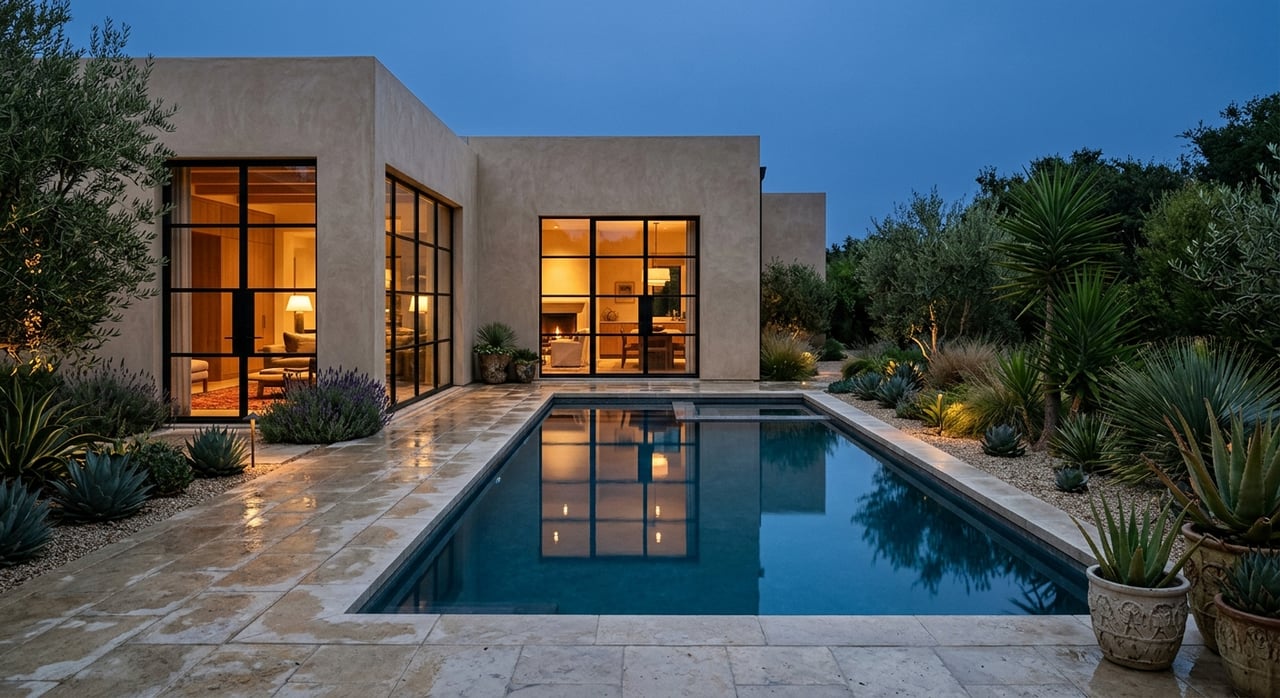
In Rancho Santa Fe, the exterior is part of the product. Large lots, private approaches, and outdoor amenities often play a major role in buyer perception.
Your preparation should extend beyond the front door to include the motor court, gates, entry courtyard, terraces, pool and spa, guest casita, and any equestrian or trail-related features. These spaces should feel maintained, functional, and visually connected to the home’s overall presentation.
Vacant homes need extra attention
If the property is vacant, staging becomes even more important. Empty rooms can appear smaller, less defined, and less inviting in photos.
NAR’s research suggests that staging helps buyers imagine the property as their future home, and staged homes can reduce time on market and may, in some cases, raise offers by 1% to 10%. For a high-value estate, that makes presentation a meaningful part of strategy.
Elevate Your Marketing Assets
Even a beautifully prepared property can underperform if the marketing is not equally strong. In a luxury market, many buyers form their first impression online, and visual quality shapes whether they decide to schedule a showing.
That is why polished marketing assets should be part of your pre-listing plan, not an afterthought. Your home’s scale, setting, and flow need to come through clearly from the first look.
Visual assets that matter most
NAR found that buyers’ agents rated photos as the most important marketing tool, followed by traditional physical staging, videos, and virtual tours. For Rancho Santa Fe estates, that supports a high standard of professional photography and video preparation.
For many properties, it also makes sense to capture the approach, grounds, and outdoor living areas in a way that shows scale and privacy. The goal is to help buyers understand not just the house, but the full estate experience.
Build the Right Prep Team
Estate sales usually involve more moving parts than a standard listing. The most effective launches are often supported by a coordinated team that handles both presentation and compliance.
Depending on your property, that team may include your listing agent, stager, photographer or videographer, landscaper or arborist, handyman or contractor, painter, pool and spa service, pest or termite professional, title and escrow support, and fire-prevention or defensible-space inspectors when needed.
This kind of coordination matters because California transactions often require careful disclosure preparation, title work, and timing around inspections or exterior improvements. A clear plan can help you avoid rushed decisions and keep the process more seamless.
Start Earlier Than You Think
One of the most common mistakes in the luxury market is underestimating the prep timeline. In Rancho Santa Fe, it can take weeks or even months to complete the right combination of repairs, landscaping, staging, photography, inspections, and documentation.
That is especially true if your property needs exterior work, fire mitigation, approval review, or permit cleanup. Starting early gives you more choices, better vendor availability, and more control over how your home enters the market.
If you want a successful sale, think of preparation as part of your pricing and marketing strategy, not a separate task. A well-prepared estate sends a strong message to buyers that the home has been cared for, understood, and thoughtfully brought to market.
When you are preparing to sell a Rancho Santa Fe estate, a calm, detailed plan can make all the difference. For tailored guidance on timing, presentation, and next steps, connect with Sonja Huter.
FAQs
What should you do first when preparing a Rancho Santa Fe estate for sale?
- Start by organizing disclosures, permit records, inspection reports, warranties, and service history, then review the property for any repair, compliance, or presentation issues that could affect timing.
Do you need to remodel before listing a Rancho Santa Fe estate?
- Usually not. In many cases, the better pre-sale investment is decluttering, deep cleaning, landscaping, repair touch-ups, and focused improvements in the living room, primary bedroom, kitchen, and curb appeal.
Why do Rancho Santa Fe sellers need to check architectural approvals?
- The Rancho Santa Fe Association and its Art Jury review development and building applications to help preserve community character, so exterior changes or unresolved approval questions should be reviewed early.
How do wildfire rules affect a Rancho Santa Fe home sale?
- Local fire authorities require ongoing vegetation management and defensible-space compliance, and some sales may require a real estate defensible-space inspection, which can take 10 to 14 business days from the request date.
What if your Rancho Santa Fe property has a septic system or private well?
- You should confirm permits, records, and maintenance status before listing because San Diego County regulates septic systems and standards for well construction or modification.
Is staging worth it for a large Rancho Santa Fe estate?
- In many cases, yes. Staging helps buyers understand room scale, use, and flow, and it can be especially valuable in the main living areas and for vacant homes.